

Author: TMHA Staff – 3 min read
Erectile dysfunction (ED) is rarely “just in your head.” It’s often tied to blood flow, nerve signaling, hormones, stress, or a mix of all four. Medications can affect any of those systems, which is why ED is listed as a possible side effect across several common drug categories.
Two things can be true at once:
- Your medication may be helping your health in important ways.
- It may also be contributing to erection problems.
“If ED starts after a medication change, timing is a clue worth taking seriously.”
The big rule: don’t stop meds on your own
Stopping a heart medication, antidepressant, or opioid suddenly can be dangerous. Instead, treat ED as a signal to review your full health picture (including prescriptions) with a clinician. ED is common and often treatable, but the safest fix is almost always a medication review, not self-experimentation.

Antidepressants (especially SSRIs and SNRIs)
Selective serotonin reuptake inhibitors (SSRIs) and some SNRIs are well known for sexual side effects, including lower libido and difficulty getting or maintaining erections. Studies suggest sexual dysfunction rates vary widely depending on the medication and the population being studied.
There’s also growing discussion of post-SSRI sexual dysfunction (PSSD), where symptoms persist after stopping, though it’s considered difficult to quantify and appears to be uncommon.
What to ask your prescriber
- “Is this a known side effect of this specific SSRI/SNRI?”
- “Could a dose change, switch, or add-on strategy help?”

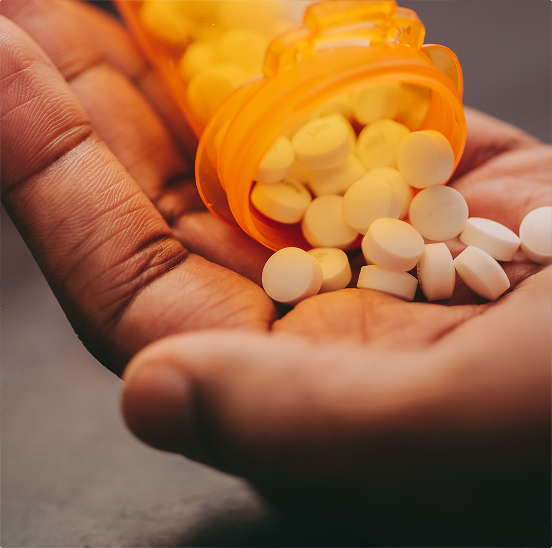
Opioids (pain medications)
Chronic opioid therapy is strongly linked with sexual dysfunction. One major mechanism is suppression of the hypothalamic-pituitary-gonadal axis, which can lower testosterone and contribute to ED and low libido.
“With opioids, ED may be less about performance and more about hormone suppression.”
What to ask
- “Should we check testosterone and related labs?”
- “Is there a pain-management plan that reduces opioid exposure safely?”
Blood pressure and heart medications
High blood pressure itself is a risk factor for ED because it damages blood vessels. But some blood pressure meds can contribute as well, particularly thiazide diuretics and some beta-blockers, though the research is nuanced and not every person is affected.
Important safety note about ED pills and nitrates If you take nitrates (often prescribed for chest pain/angina), PDE5 inhibitors like sildenafil are contraindicated due to risk of significant hypotension.
What to ask
- “Could my ED be from blood pressure itself, the medication, or both?”
- “Is there an alternative BP regimen with fewer sexual side effects?”
Statins (cholesterol medications)
Statins are complicated in this conversation. Because they improve cholesterol and vascular function, they may improve erectile function for some men with vascular risk factors. Meta-analyses have found a modest improvement in erectile function measures in some studies.
At the same time, individual responses vary. If ED begins after starting a statin, it’s still worth discussing with your clinician—especially if other medication changes happened at the same time.
What to ask
- “Could this be vascular ED improving slowly, or a side effect pattern?”
- “Are there other contributors we should address (sleep, stress, testosterone, diabetes)?”
Hair loss medications (finasteride)
Finasteride (used for hair loss and/or prostate enlargement) has documented sexual side effects, and labeling has noted reports of sexual dysfunction that in some cases continued after discontinuation.
What to ask
- “What’s the lowest effective dose?”
- “If I stop, what’s the expected timeline for improvement?”
- “Are there alternative approaches I should consider?”
Other common meds that can play a role
These don’t affect everyone, but they’re frequent enough to mention in a medication review:
- Antihistamines (can reduce arousal and contribute to dryness/sexual side effects in some people)
- Prostate/BPH meds (some affect ejaculation or sexual function; depends on the drug)
- Sedatives/sleep meds (can blunt arousal)
- Certain recreational substances (also matter, but treat those separately in your intake)
If ED is new, a clinician should look at the whole list—prescriptions, OTC meds, supplements, and even alcohol/cannabis patterns.
What usually helps, in real life
A practical clinician-led approach often looks like this:
- Confirm the timeline (did ED start after the med?)
- Rule out underlying drivers (blood pressure, diabetes, depression, low testosterone, sleep issues)
- Adjust what’s adjustable (dose changes, switching within class, timing)
- Add ED treatment when appropriate (PDE5 inhibitors, devices, therapy—depending on cause and safety)


The Takeaway
If erections changed around the time you started (or adjusted) a medication, you’re not alone—and you’re not stuck. Many common drugs can affect blood flow, hormones, or sexual response, and there are often safer workarounds than “just live with it.” The right next step is a medication review with a clinician, not stopping treatment on your own.