
Author: Seth Thomas – 3 min read
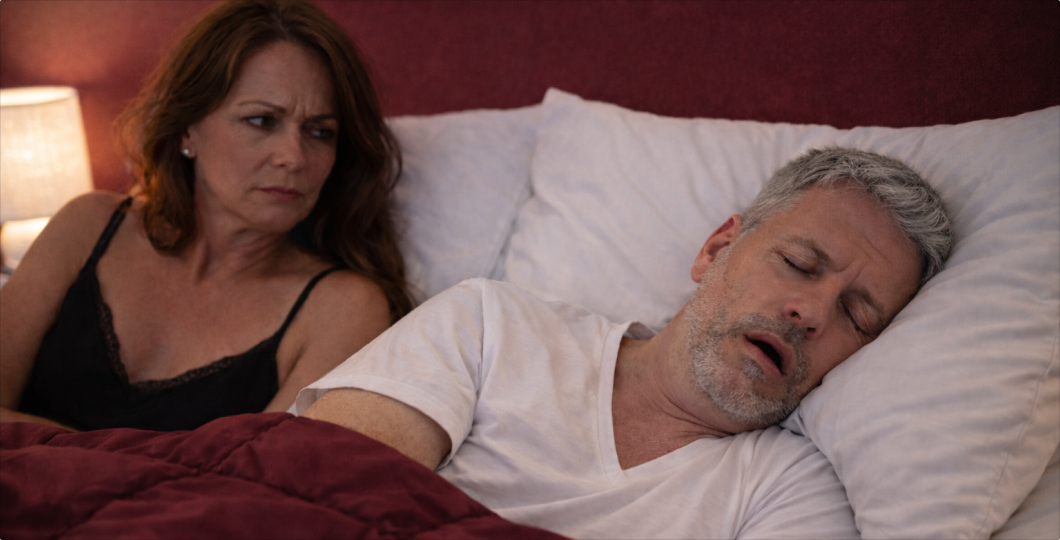
When erectile dysfunction (ED) shows up, sleep is rarely the first thing people think to blame. Stress, hormones, circulation, or age usually come to mind first. But sleep quietly influences all of those systems at once.
When sleep quality drops—whether from stress, long hours, poor habits, or untreated sleep disorders—hormone production, blood flow, and nervous system regulation suffer. For many men, the first noticeable sign is inconsistent or unreliable erections.
Why sleep matters so much for erections
Healthy erections depend on coordination between the brain, nerves, blood vessels, and hormones. Sleep plays a central role in keeping all of these systems working together.
During deep, restorative sleep, the body produces testosterone, regulates stress hormones like cortisol, repairs blood vessel function, and resets nervous system balance. When sleep is shortened or fragmented, these processes are disrupted. Over time, that disruption can show up as reduced libido, lower energy, and difficulty getting or maintaining an erection.
“Erections depend on recovery. Poor sleep quietly erodes that foundation.”
The role of stress and the nervous system
Sleep and stress are deeply connected. Poor sleep raises cortisol levels, keeping the body in a heightened state of alert. That same stress response interferes with the parasympathetic nervous system—the system responsible for relaxation and arousal.
When cortisol remains elevated, blood flow to the penis becomes less efficient, nitric oxide signaling is impaired, and muscle tension increases. Anxiety is also more likely to surface during intimacy. In this state, erections are harder to initiate and maintain, even when desire is present.
"A tired nervous system struggles to shift from alert to aroused.”
Why sleep problems often show up as ED first
Many men function on poor sleep for years without immediately obvious consequences. Work performance may hold steady, and daily responsibilities continue. Sexual function, however, is more sensitive to subtle physiological strain.
Erections require relaxed focus, healthy circulation, and responsive nerves. When the body is depleted, sexual performance often reflects that depletion before other systems do.
This is why ED can be one of the earliest signs of chronic sleep deprivation, burnout, elevated stress, or hormonal imbalance.
Why “catching up on sleep” isn’t always enough
An occasional late night is unlikely to cause lasting ED. The issue arises when poor sleep becomes a pattern.
Irregular schedules, inconsistent bedtimes, alcohol before sleep, and prolonged screen exposure can all fragment sleep architecture. Even when total sleep time appears adequate, the body may not reach the deeper stages of sleep necessary for hormonal regulation and recovery.
In other words, sleep quality matters just as much as sleep quantity.

What helps restore sleep—and sexual function
Improving sleep often supports erections indirectly by restoring hormonal balance and calming the nervous system. Small, consistent changes tend to matter more than dramatic interventions.
Establishing regular sleep and wake times helps regulate circadian rhythms. Reducing alcohol and caffeine later in the day minimizes sleep fragmentation. Managing stress, limiting screen exposure before bed, and addressing snoring or breathing issues can all improve sleep quality. When anxiety or depression are present, treating them can also improve both sleep and sexual function.
When erections have become unreliable, improving sleep alone may not fully resolve ED—but it often makes other treatments more effective.
The Takeaway
Sleep isn’t just about rest—it’s about regulation. When sleep quality declines, the systems that support erections often decline with it.
ED related to poor sleep is common, reversible, and frequently overlooked. Addressing sleep doesn’t replace other treatments, but it strengthens their effectiveness and supports long-term sexual health.
Sometimes the most important work for better intimacy happens overnight.