

Author: Seth Thomas - 5 min read
Erectile dysfunction is extremely common, and it’s not always about age, performance anxiety, or “something in your head.” In many cases, it’s physical. In others, psychological factors play a role. Most often, it’s a combination.
The important part is this: ED is usually treatable.
If you’ve spent time searching for “natural treatments for ED,” you’ve probably noticed there’s no shortage of supplements, hacks, and miracle claims online. Much of that noise isn’t supported by good evidence.
This guide focuses on what actually helps, what has limited support, and how natural approaches can improve erectile function without relying solely on prescription medications.
Why “natural” treatments for ED are getting more attention
Prescription ED medications work well for many men, but they’re not for everyone. Some men can’t take them because of medical conditions or side effects. Others prefer drug-free options that feel more sustainable and fit better into daily life.
As interest in non-drug approaches has grown, so has confusion. “Natural” can mean anything from lifestyle changes to supplements to physical devices. Some of these approaches are supported by research. Others are mostly marketing.
Understanding the difference matters.
"Natural approaches work best when they’re grounded in real physiology, not hype. Progress comes from consistency, not shortcuts."
Diet and nutrition: Blood flow starts here
Erections depend on healthy blood vessels. What supports your cardiovascular system also supports erectile function.
What helps
- Fruits and vegetables, especially those rich in antioxidants like berries, leafy greens, and citrus, support nitric oxide production, which helps blood vessels relax and widen.
- Whole grains and healthy fats, including oats, olive oil, nuts, and avocados, support cholesterol balance and circulation.
- Lean protein, such as fish, chicken, beans, and legumes, supports hormone production and overall metabolic health.
What to limit
- Highly processed foods and excess sugar, which are linked to inflammation, insulin resistance, and reduced blood flow.
- Excess alcohol, which can dull nerve sensitivity, suppress testosterone, and interfere with nitric oxide signaling.
- Smoking, which constricts blood vessels and is strongly associated with ED.
Bottom line: A Mediterranean-style diet consistently shows benefits for cardiovascular health and reduced ED risk. You don’t need perfection. Consistency matters more.

Exercise: One of the most effective natural tools
Exercise improves erectile function through several pathways at once. It increases blood flow, boosts nitric oxide availability, reduces stress, and supports healthy testosterone levels.
The most effective types
- Aerobic exercise such as brisk walking, cycling, swimming, or running improves circulation and heart health.
- Strength training supports muscle mass and testosterone production.
- Pelvic floor exercises can improve rigidity and control for some men by strengthening the muscles involved in erections.
How much is enough
Aim for about 30 minutes of moderate activity most days of the week. You don’t need extreme workouts. Regular movement is the key.
Supplements and “natural boosters”: What to know
The supplement space is crowded, and quality varies widely.
Some evidence, limited impact
- L-arginine, which supports nitric oxide production, may offer modest benefit, particularly when combined with other compounds.
- Panax ginseng has shown mixed results in mild ED, but quality control varies.
- Zinc and vitamin D can support testosterone and energy levels if you are deficient.
- DHEAmay help in select cases but should be used only under medical supervision.
Mostly hype
- Herbal blends marketed as “natural sildenafil” often lack consistent evidence and may be contaminated.
- Stimulant-based supplements can increase heart rate or blood pressure and may be unsafe for men with cardiovascular risk.
Key takeaway: Supplements rarely solve ED on their own. Always discuss new supplements with a healthcare provider, especially if you take other medications.
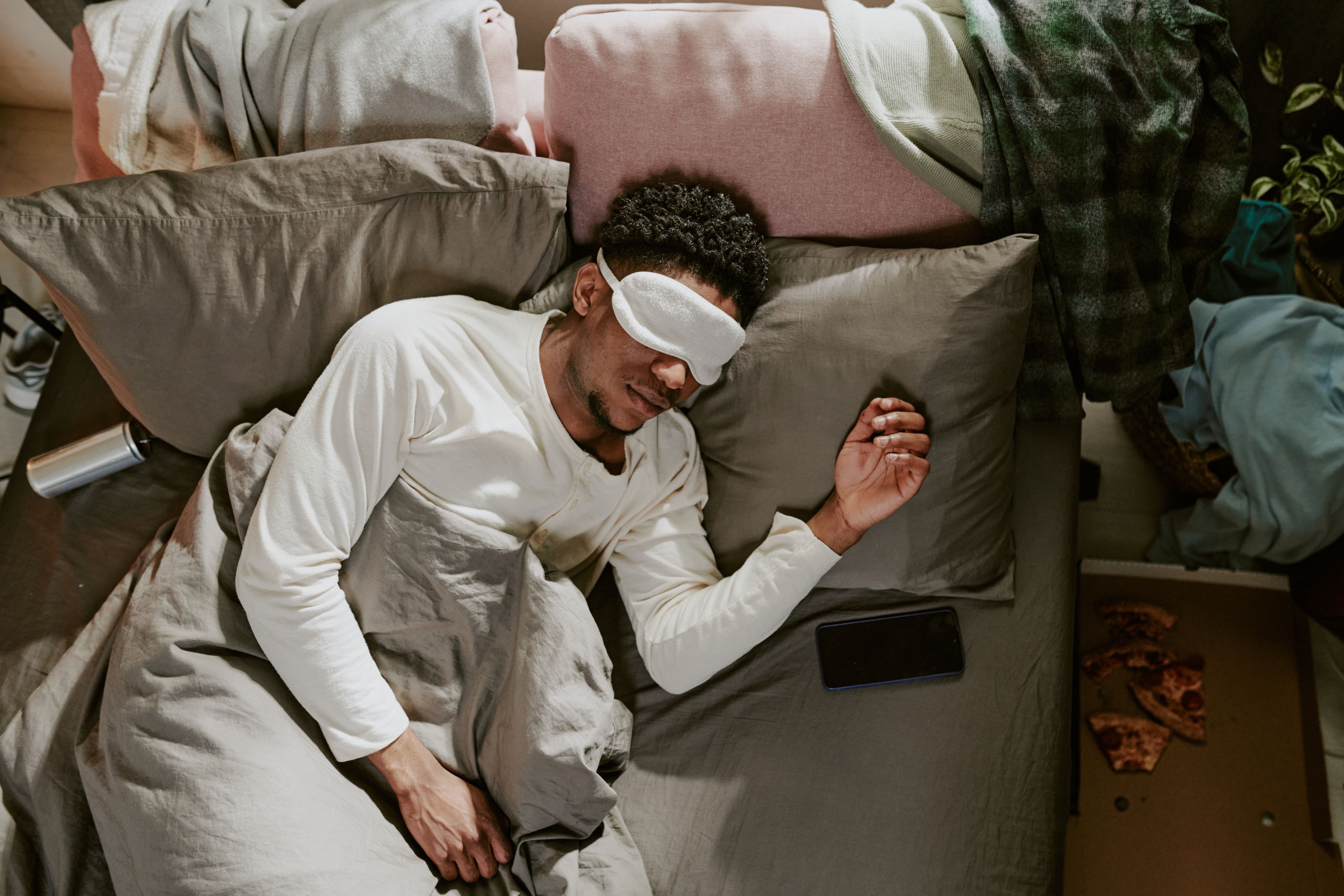
Stress, sleep, and mental health
Stress plays a major role in erectile function.
Chronic stress raises cortisol, which suppresses testosterone and constricts blood vessels. Anxiety, depression, and fatigue can all interfere with sexual response.
What helps
- Sleep, especially 7 to 8 hours per night, supports hormone balance. Testosterone production peaks during deep sleep.
- Stress management, including mindfulness, therapy, or structured relaxation, can improve sexual function, particularly when anxiety is involved.
- Communication with a partner often reduces pressure and performance anxiety more than men expect.
- Wearable and non-drug physical options
Beyond lifestyle changes, there has been increasing clinical interest in non-pharmacologic physical approaches to supporting erections.
Reviews of wearable ED treatments suggest growing use and research attention, particularly for devices that provide mechanical support rather than chemical stimulation. These options are sometimes used by men who:
- Want drug-free approaches
- Have difficulty maintaining erections rather than initiating them
- Use them alongside lifestyle changes or medication
As with any physical device, proper use, comfort, and realistic expectations matter. These approaches are not cures, but they may be helpful tools for some men when used appropriately.
"The important part is this: ED is usually treatable."
Combining approaches works best
There is no single natural fix for ED. Most men see better results when they combine strategies.
A realistic approach might include:
- Eating in a way that supports circulation
- Moving regularly
- Sleeping better
- Managing stress
- Using non-drug physical aids when appropriate
Think of ED improvement as a system, not a shortcut.

What to avoid
Be cautious of:
- Claims of guaranteed results in days
- Products with no ingredient transparency
- Unregulated supplements marketed online
- Devices that cause pain, numbness, or discomfort
If it sounds too good to be true, it usually is.

When to talk to a doctor
ED can sometimes be an early sign of underlying conditions like cardiovascular disease, diabetes, or hormonal imbalance. If symptoms persist, a healthcare provider can help rule out medical causes and guide safe treatment options.
This conversation is routine for clinicians. The sooner it happens, the easier it usually is to address.

The Takeaway
There is no single natural cure for erectile dysfunction. But there is a proven path forward.
Support your heart. Move your body. Reduce stress. Sleep better.
Natural approaches work best when they’re grounded in real physiology, not hype. Progress comes from consistency, not shortcuts.