
Author: David Hopper - 5 min read
Heart disease is the leading cause of death among men in the United States. That part isn’t surprising. What often is surprising is how frequently erectile dysfunction shows up before other signs of cardiovascular trouble.
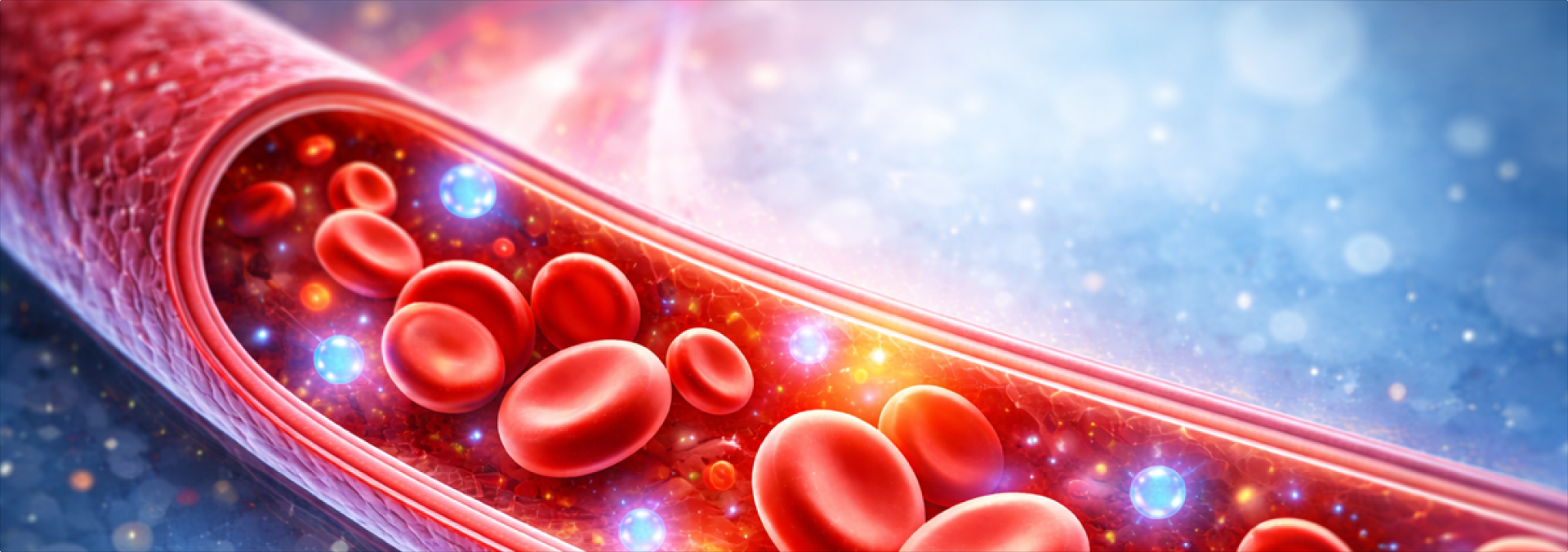
The connection comes down to blood flow. Erections are a circulation-dependent process, and when blood vessels are not working properly, the penis is often one of the first places where problems appear.
Why blood flow matters for erections
According to Thomas Masterson, M.D., an assistant professor of urology at the Desai Sethi Urology Institute at the University of Miami, erections rely on five key systems working together: blood flow, nerves, hormones, relaxation, and stimulation.
“If there’s a disruption in any one of those five systems, you will have erectile dysfunction,” Masterson said. “This is also why the penis can act like a barometer for overall health. Erectile dysfunction can actually precede major cardiac events.”
In practical terms, ED in an otherwise healthy man in his 40s can be just as strong a predictor of future heart trouble as known risk factors like high cholesterol or diabetes.
“...the penis can act like a barometer for overall health. Erectile dysfunction can actually precede major cardiac events.”
ED as an early warning sign
“Any condition that adversely affects your vascular system will also have some potential impact on the blood vessels to the penis,” said Arthur L. Burnett, M.D., a professor of urology at Johns Hopkins School of Medicine.
Burnett explains this in his book The Manhood Rx: Every Man’s Guide to Improving Sexual Health and Overall Wellness. The penis is a vascular organ with very small blood vessels. Because those vessels are smaller than those in other parts of the body, damage often shows up there earlier.

“The vascularity of the penis may exhibit endothelial damage and disturbed vascular function earlier than other parts of the body,” Burnett wrote.
That makes ED a potential early signal, not just a sexual issue.
“Any condition that adversely affects your vascular system will also have some potential impact on the blood vessels to the penis.”
Vascular conditions linked to ED
Several circulation-related conditions are associated with erectile dysfunction, including:

Smoking is also strongly linked to ED because of its damaging effects on blood vessels.
T. Mike Hsieh, M.D., a urologist and director of the Men’s Health Center at UC San Diego Health, says it’s common for men to seek help for ED only to learn they have an undiagnosed health issue.
“ED is a warning sign for things that people don’t even know they have,” Hsieh said. He estimates that about 30 percent of his ED patients discover an underlying condition during evaluation.
What endothelial dysfunction means
A key concept behind circulation-related ED is endothelial dysfunction.
“Endothelial dysfunction is a fancy word for your vascular system not being able to work properly,” Hsieh explained.
Healthy blood vessels expand and contract based on the body’s needs. When you exercise, blood vessels widen to send more blood to working muscles. When the demand passes, they return to normal.
Erections work the same way. When blood vessels in the penis cannot expand properly, blood flow is insufficient to create or maintain an erection.
“When you have endothelial dysfunction, your arteries and veins become stiff,” Hsieh said. “They don’t expand and contract the way they should, and that leads to circulation problems.”
How diabetes contributes to ED
ED is very common among men with diabetes, and the reasons are layered.
“Diabetes affects both the small blood vessels and the small nerves,” Masterson explained.
High blood glucose levels damage blood vessels over time, reducing their ability to deliver oxygen efficiently. This same process causes diabetic complications like retinopathy, kidney disease, and peripheral neuropathy. The penis is affected in the same way.
The arteries supplying the penis are extremely small, often just one to two millimeters in diameter. Diabetes also damages nerves, which play a critical role in initiating erections.
“Diabetes can be a double hit,” Masterson said. “It affects both the vascular and nervous systems involved in erections.”
How high blood pressure affects erections
Hypertension causes arteries to become stiff over time, limiting their ability to widen.
“In erections, arterial dilation is what leads to increased blood flow,” Masterson said. “People with chronically high blood pressure don’t have the same ability for that dilation.”
Some blood pressure medications can also contribute to ED as a side effect by lowering blood pressure and altering blood distribution.
Hypertension, diabetes, high cholesterol, and smoking all contribute to atherosclerosis, which is the buildup of plaque inside artery walls. This buildup restricts blood flow throughout the body, including to the penis.
Protecting circulation and sexual health
The same habits that protect heart health also protect erectile function.
Burnett recommends avoiding smoking and focusing on lifestyle choices that support vascular health.
“Cigarette smoking is a clear example of something that causes vascular damage throughout the body and contributes to erectile dysfunction,” he said.
Exercise, balanced nutrition, maintaining healthy cholesterol levels, and limiting alcohol all support better circulation. In short, what’s good for the heart is good for erections.
“Don’t even try to get to the point where you need medication if you can help it,” Masterson said. “Diet, exercise, and avoiding smoking are obvious answers, but they can be hard to stick to.”
Why ED can be a motivator
Hsieh admits that ED often becomes the wake-up call that gets men to take their health seriously.
“If you tell someone, ‘If you don’t quit smoking and lose weight, you’re not getting your erection back,’ that motivates people,” he said.
Doctors who treat ED are in a unique position to encourage broader health improvements, not just prescribe medication and move on.
“Sometimes ED is the thing that finally gets guys to come in and pay attention,” Hsieh said.

The Takeaway
Erectile dysfunction is not just about sex. It is often tied to circulation, vascular health, and underlying conditions that affect the entire body.
Addressing ED early can lead to better sexual health and better overall health. For many men, that conversation is the first step toward meaningful, lasting change.