

Author: Kurtis Bright
Reviewer: Christopher Kim, M.D.
4 min read
When people think about how erections work, blood flow and testosterone usually steal the spotlight. One critical piece often gets overlooked: nerve function.
Nerves are just one part of the system involved in erections, but they play an essential role. Without healthy nerve signaling, even strong blood flow and normal hormone levels may not be enough to produce a reliable erection.
Here’s how nerve function supports erections, what can interfere with it, and why protecting nerve health matters over the long term.
How nerves help erections happen
The nervous system is a vast communication network that starts with the central nervous system, made up of the brain and spinal cord. From there, nerves branch outward throughout the body, becoming smaller and more delicate as they reach their final destinations.
Some of the smallest and most fragile nerves extend into the penis, reaching the corpus cavernosa, the chambers that fill with blood during an erection.
“The erectile, or cavernosal, nerves are responsible for initiating erections,” said Scott D. Miller, M.D., medical director of Wellstar Urology in Atlanta. “When a signal passes through these nerves to the penis, the nerve endings release nitric oxide, which causes relaxation of smooth muscle in the erectile tissue. This allows increased arterial blood flow into the penis.”
Nitric oxide often comes up in advertising for erection-related products, but it only works if nerve signaling is intact. Healthy nerves are the foundation that allows nitric oxide to be released in the first place.
“Without the erectile nerves, natural erections, even when using PDE5 inhibitor medications like sildenafil, are not possible,” Miller said. “Fortunately, these nerves are well protected from outside injury and are separate from the sensory nerves that control feeling and the nerves involved in ejaculation.”

What happens when nerves are damaged
Different parts of the nervous system control different aspects of sexual function. When certain nerves are injured, specific parts of the sexual response can be affected while others remain intact.
Rare neurological injuries can cause unusual symptoms, such as spontaneous erections or ejaculations without sexual desire. These cases are uncommon but illustrate how powerful nerve signaling is in sexual function.
More commonly, nerve injury occurs during surgery or as a result of chronic medical conditions.
“(Diabetes) has a one-two punch effect on erectile function.”
“If there’s damage to the pelvic nerves, such as during prostate surgery, you might have difficulty getting an erection but still be able to achieve orgasm and ejaculation,” said Katherine Rotker, M.D., a urologist with Yale Medicine who specializes in male infertility and reproductive health.
In other cases, nerve damage affects ejaculation rather than erections.
“If nerves are injured during procedures like a retroperitoneal lymph node dissection or abdominal aortic aneurysm repair, you might have difficulty ejaculating or experience dry ejaculation while still having normal erections,” Rotker said.
This is why erectile dysfunction can look very different from one person to another.
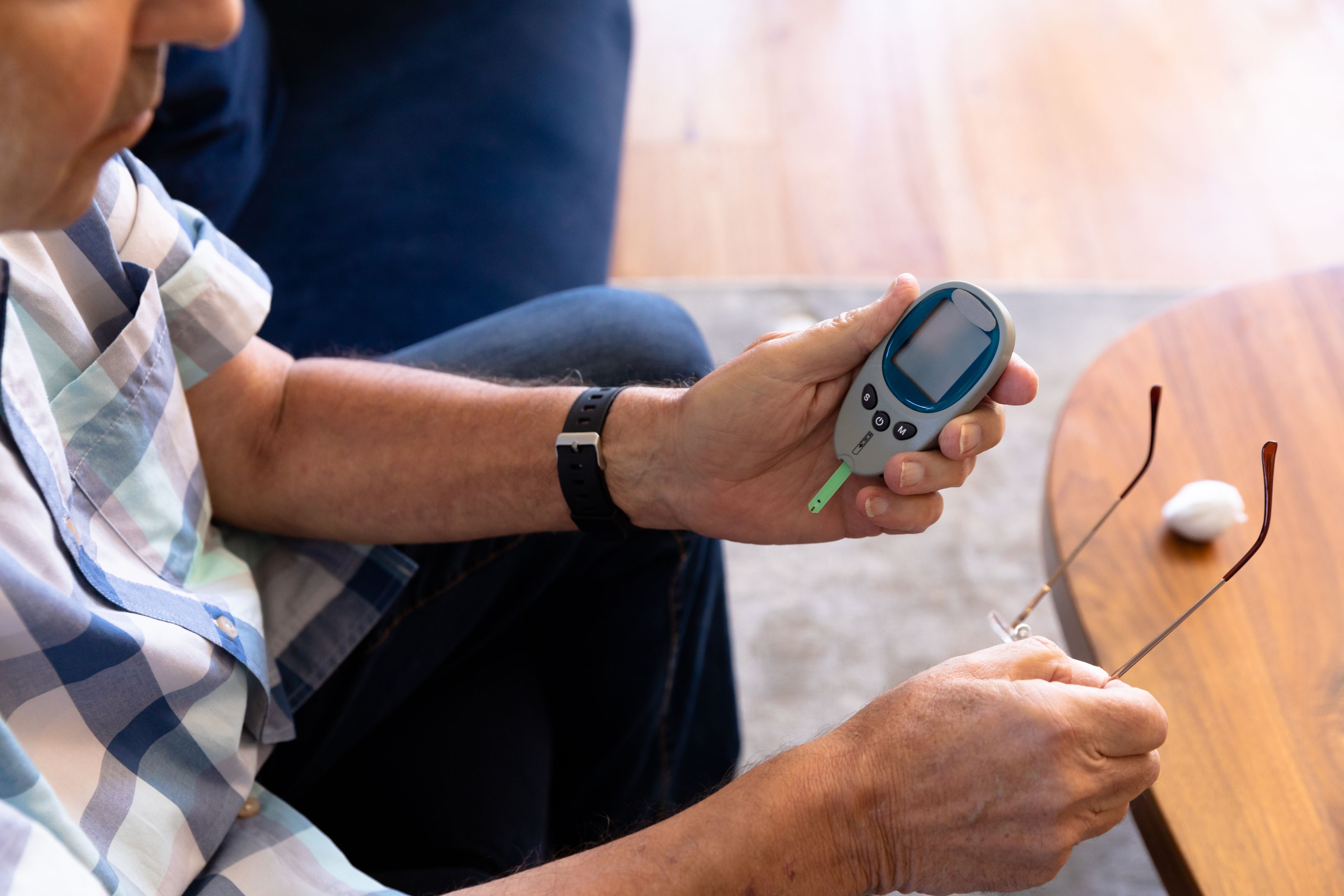

Diabetes and nerve-related erectile dysfunction
One of the most common causes of nerve-related ED is diabetes.
In the United States, about 38.4 million people have diabetes, according to the Centers for Disease Control and Prevention. Another 97.6 million have prediabetes, and more than 80 percent of them are unaware of it.
“Diabetes is the classic nerve-damaging disease,” Rotker said. “It has a one-two punch effect on erectile function. It affects blood vessels and reduces blood supply, but it also damages the small nerves involved in erections.”
This is the same process that leads to diabetic neuropathy in the hands and feet. The tiny nerves in the penis are similarly vulnerable.
“Diabetes can contribute to deterioration of any nerve, and the cavernosal nerves are no exception,” Miller said. “Men with diabetes also have significantly reduced nitric oxide production at these nerve endings.”
The result is a double hit: impaired nerve signaling and reduced blood flow, both of which are necessary for erections.
“ED can sometimes be the first noticeable sign that something is off…”
Why nerve damage matters long term
Surgical nerve damage has become less common thanks to advances in nerve-sparing techniques, especially in prostate cancer treatment. Severe spinal injuries affecting erections are also rare.
What remains far more common is nerve damage related to poorly controlled blood sugar, cardiovascular disease, and metabolic health.
Once small nerves are damaged, they do not regenerate easily. That makes early detection and prevention especially important.
ED can sometimes be the first noticeable sign that something is off, long before numbness or pain shows up elsewhere in the body.

Protecting nerve health
You have more control than you might think when it comes to nerve health.
Managing blood sugar, maintaining a balanced diet, exercising regularly, and avoiding smoking all support both nerve function and circulation. These habits help preserve the signaling pathways that allow erections to occur naturally.
Good erections are often a reason men finally seek medical care. That visit can be an opportunity to check blood sugar levels, review cardiovascular risk factors, and address issues before they cause permanent damage.

The Takeaway
Erections rely on a precise conversation between nerves, blood vessels, hormones, and the brain. When nerve signaling breaks down, erections become unreliable, regardless of desire or attraction.
Protecting nerve health is not just about sexual performance. It is about long-term wellness. Paying attention early can make a meaningful difference, both in the bedroom and beyond.